The Ultimate Kid-Friendly Mailbox Experience: A Playful Approach to Everyday Communication
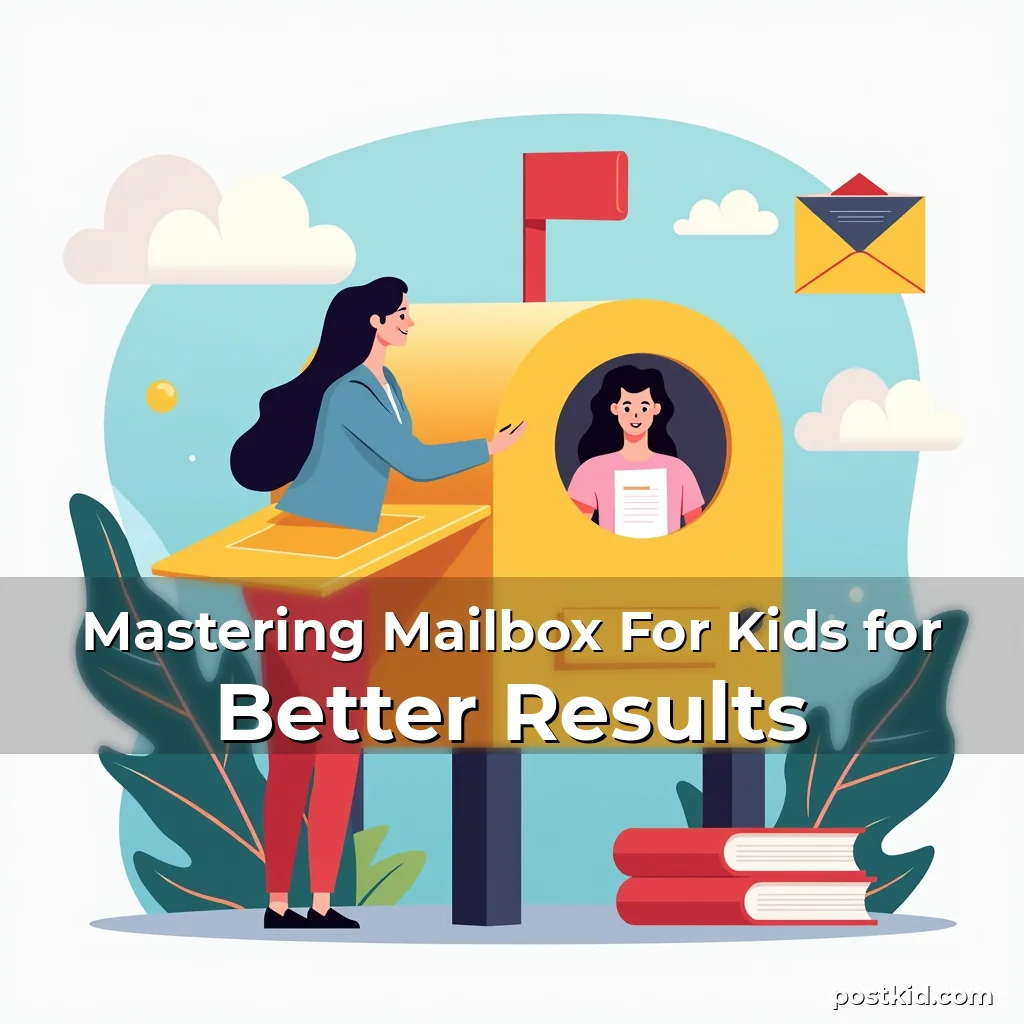
In an era where digital communication dominates daily life, creating a tactile experience for children through a dedicated mailbox can be both educational and fun. A mailbox designed specifically for kids isn’t just a container for letters—it’s a gateway to curiosity, learning, and creativity.
Whether placed near the front door, in the backyard, or integrated into a playhouse, these mailboxes encourage interaction with the world beyond their immediate environment while fostering essential skills like reading, writing, and responsibility.
Fostering Curiosity Through Kid-Sized Mailboxes
Kid-sized mailboxes are engineered with height in mind, typically ranging between 28 to 36 inches tall. This allows young users easy access without requiring adult assistance, promoting independence from an early age.
These mailboxes often feature rounded edges and smooth surfaces to prevent injuries, making them safe even during active play sessions. The design prioritizes usability as much as aesthetics, ensuring that every child can interact comfortably with their personal mailbox.
- Safety First: Rounded corners reduce injury risk during accidental bumps or collisions.
- Height Accessibility: Designed at waist level for most preschoolers and elementary students, encouraging self-sufficiency.
Creative Designs That Spark Imagination
From cartoon characters to themed designs like pirate ships or rocket launch pads, kid-friendly mailboxes come in various styles that align with children’s interests. These imaginative elements transform routine tasks into exciting adventures.
A mailbox shaped like a dinosaur might inspire stories about prehistoric mail routes, while a space-themed version could lead to discussions about intergalactic correspondence. Such creative designs make everyday activities feel magical and engaging.
Interactive Elements Enhancing Learning Opportunities
Many modern kid mailboxes incorporate interactive features such as magnetic closures, rotating dials, or light-up indicators. These elements turn letter retrieval into a game-like experience that encourages exploration and discovery.
For example, a mailbox with a built-in timer teaches time management by allowing only a certain number of deliveries each day. Interactive components also provide sensory stimulation, which is crucial for cognitive development in younger children.
Encouraging Responsibility Through Daily Tasks
Assigning simple chores related to the mailbox—like sorting mail or checking for letters—helps instill a sense of duty and accountability. Children learn that small responsibilities contribute to larger routines within the household.
This hands-on approach reinforces organizational skills and teaches patience, especially when waiting for special packages or surprise notes from loved ones. It transforms mundane tasks into meaningful experiences that build character over time.
Strengthening Family Bonds With Shared Activities
Mail delivery becomes an opportunity for family bonding when parents involve children in opening and reading letters together. Whether it’s birthday cards or school communications, shared moments around the mailbox create lasting memories.
Parents can use these opportunities to teach literacy skills, discuss handwriting techniques, or explore different types of mail. Engaging conversations about what they find inside fosters emotional connections and intellectual growth simultaneously.
Nurturing Emotional Intelligence Through Personal Correspondence
Receiving handwritten notes or care packages helps children develop empathy and appreciation for personal gestures. Letters from grandparents, friends, or teachers carry sentimental value that digital messages often lack.
By maintaining a physical mailbox, families reinforce traditions of written communication that promote deeper understanding and connection across generations. These tangible interactions help shape how children perceive relationships and social bonds.
Supporting Educational Development Through Hands-On Learning
Kid mailboxes offer practical applications of academic subjects such as math (counting letters), language arts (reading addresses), and science (learning about postal systems). Real-world exposure enhances classroom learning significantly.
Activities like tracking delivery schedules introduce basic numeracy skills, while composing thank-you notes improves grammar and vocabulary usage naturally. Integrating education seamlessly into daily life makes learning enjoyable rather than forced.
Promoting Environmental Awareness Through Sustainable Practices
Eco-conscious households can choose recycled materials for their kid mailboxes or opt for models made from sustainable wood sources. Teaching children about environmental impact starts with conscious choices in everyday items.
Using biodegradable envelopes or reusing paper for crafts extends the lesson further, showing how small actions contribute positively to planet health. Encouraging green habits early establishes lifelong values regarding sustainability and conservation efforts.
Creating Lasting Memories Through Seasonal Traditions
Seasonal themes like Halloween, Christmas, or Easter allow customization of mailboxes with holiday decorations and themed letters. These seasonal variations add excitement while reinforcing cultural awareness year-round.
Traditional practices such as leaving cookies out for Santa or decorating doors with festive messages become part of the mailbox tradition too. Families can pass down customs that celebrate milestones and holidays uniquely yet meaningfully.
Building Confidence Through Achievements Recognized In Writing
Special recognition certificates sent via traditional mail give children validation for accomplishments achieved outside formal schooling settings. Receiving physical tokens of achievement boosts self-esteem effectively compared to electronic rewards alone.
Teachers may send personalized affirmations highlighting student progress, providing motivation through tangible evidence of success. Parents can also participate by sending motivational letters celebrating milestones reached independently by their children.
Enhancing Social Skills Through Community Engagement
Participating in neighborhood events or pen pal programs expands children’s worldview through direct interpersonal exchanges facilitated by their own mailbox. Exchanging letters with peers from other regions introduces diverse perspectives respectfully.
Community-based initiatives like local book clubs or youth organizations utilize mailboxes to distribute resources and information efficiently. This fosters civic engagement starting at an impressionable age, building foundations for future leadership roles.
Preparing For Future Independence Through Practical Life Lessons
Maintaining a personal mailbox equips children with real-life skills necessary for adulthood, including managing correspondence, organizing documents, and respecting privacy boundaries.
Understanding how postal services operate lays groundwork knowledge before encountering more complex administrative processes later in life. Early familiarity reduces anxiety associated with new challenges faced during adolescence and beyond.
Design Considerations For Diverse Needs And Abilities
Adaptive mailboxes cater to children with disabilities by incorporating features like adjustable heights, voice-activated controls, or Braille labels for visually impaired individuals. Ensuring accessibility promotes inclusivity among all members of society regardless of ability levels.
Customizable options let caregivers tailor mailbox setups according to individual needs, whether it involves motor skill accommodations or sensory integration requirements specific to certain developmental stages. Thoughtful design considerations ensure equitable participation for everyone involved.
Cost-Effective Solutions Without Compromising Quality
Budget-friendly alternatives include repurposing old containers or crafting DIY versions using readily available supplies found around home environments. Creative reuse reduces waste while fulfilling functional purposes effectively.
Shopping secondhand markets or participating in barter exchanges provides affordable means of acquiring quality materials suitable for constructing durable mailboxes tailored precisely to family preferences. Smart shopping decisions yield long-term benefits financially and environmentally alike.
Ensuring Longevity Through Proper Maintenance Techniques
Regular cleaning prevents buildup of dirt, moisture damage, or mold formation inside enclosed spaces used frequently by children playing nearby regularly. Establishing maintenance routines ensures continued functionality safely over extended periods.
Applying protective coatings periodically protects against weathering effects caused by outdoor placement conditions. Simple upkeep measures preserve structural integrity so mailboxes remain useful well past initial installation dates.
Conclusion
A thoughtfully chosen mailbox for kids offers far more than just storage—it serves as an anchor point connecting childhood imagination with real-world experiences through consistent engagement opportunities provided consistently over time.
Investing wisely now creates enduring memories filled with wonderment, learning, and joy that will continue influencing positive behaviors throughout lifetimes ahead. Embrace this delightful addition today and watch your little ones flourish through joyful discoveries awaiting them daily!

news is a contributor at PostKid. We are committed to providing well-researched, accurate, and valuable content to our readers.