The Art of Correspondence: Teaching Kids the Magic of Letter Writing
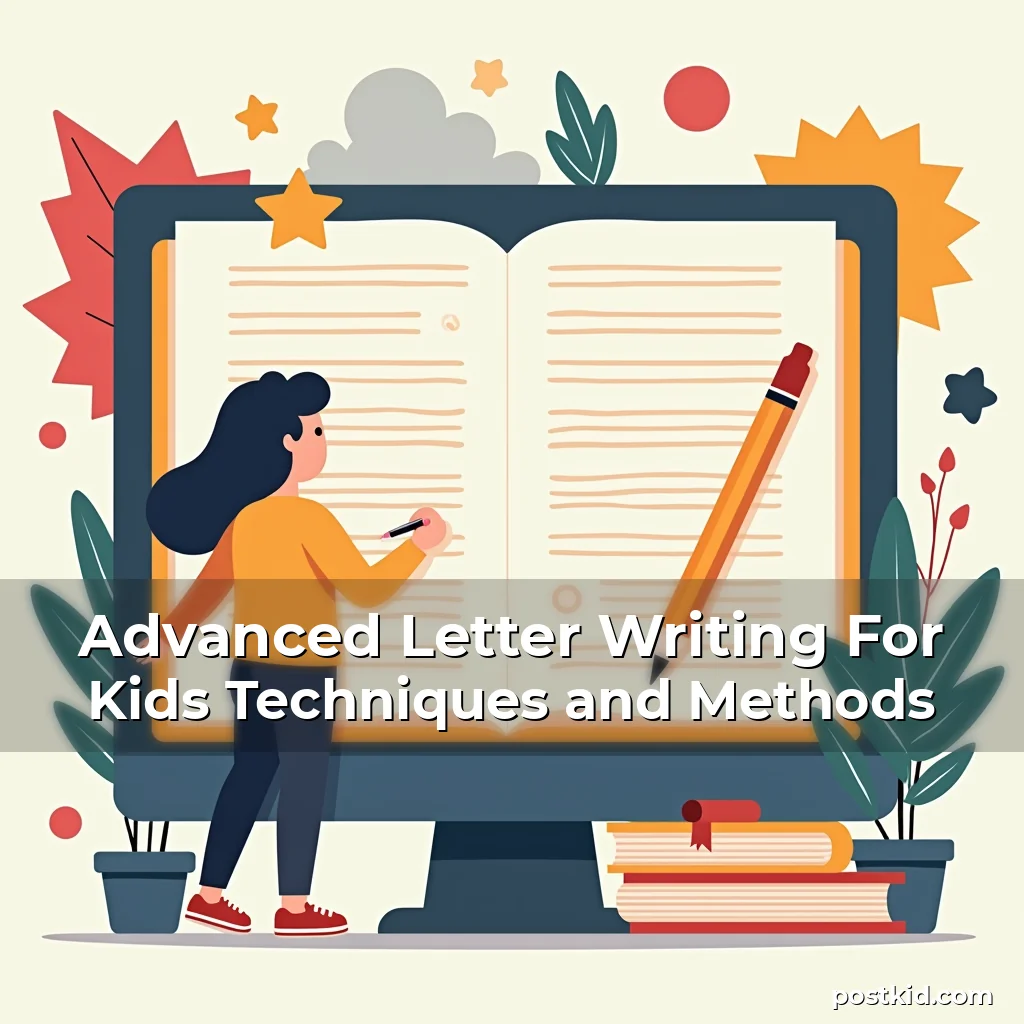
In an age dominated by instant messages and emojis, the timeless tradition of letter writing offers a unique way for children to connect, learn, and grow. Letters provide a tangible form of expression that encourages reflection, creativity, and meaningful communication.
This guide explores how teaching kids to write letters can enhance their cognitive abilities, foster relationships, and preserve cherished memories across generations.
Fostering Creativity Through Letter Writing
Letter writing taps into a child’s imagination, allowing them to craft narratives, invent characters, and explore new worlds. Unlike fleeting text messages, letters offer space for elaborate storytelling and personal touches like drawings or stickers.
Kids often find joy in choosing paper colors, fonts, and even sealing envelopes with wax. These elements transform letter writing into a creative project rather than a chore.
- Creative prompts: Encourage kids to write letters to future selves, fictional heroes, or imaginary friends.
- Personalized projects: Allow them to design their own stationery or create illustrated letters for grandparents.
Improving Literacy Skills Through Regular Practice
Writing letters strengthens reading comprehension, spelling, and grammar skills. As children draft and revise their work, they naturally develop attention to detail and sentence structure.
Parents can support progress by reading aloud sample letters, helping with tricky spellings, and offering positive feedback on effort rather than perfection.
Vocabulary Expansion Through Themed Letters
Encouraging children to write letters about specific themes—such as nature, holidays, or dreams—exposes them to new vocabulary in context. For example, a letter about a trip might introduce terms like “sights,” “adventure,” and “memories.”
Studies show that contextual word learning improves retention compared to memorization alone. A child writing about a zoo visit may absorb terms like “giraffe” or “enclosure” effortlessly while expressing excitement.
Building Social-Emotional Skills Through Connection
Letters teach kids to articulate thoughts clearly and consider another person’s perspective. Writing to a friend or relative helps them practice empathy and build stronger relationships over time.
Children struggling with verbal communication may find letter writing less intimidating, providing a safe outlet to share emotions or seek advice without face-to-face pressure.
Historical Significance of Letter Writing
Throughout history, letters have played crucial roles in diplomacy, love, and everyday life. From Shakespearean sonnets to wartime correspondence, written words have shaped human connections across centuries.
American author Mark Twain once said, “I never let my schooling interfere with my education,” underscoring the enduring power of handwritten communication. Today, collecting old letters remains a popular hobby among historians and genealogists alike.
Practical Tips for Starting Letter-Writing Projects
To spark interest, begin with low-pressure activities like writing a note to a sibling or drafting a birthday card. Choose colorful stationery and make the process feel special with stamps or seals.
Set aside dedicated time weekly for letter writing, treating it as both a creative exercise and a bonding opportunity between parent and child.
Overcoming Common Challenges
Sometimes kids resist letter writing due to perceived difficulty or lack of motivation. Address these concerns by letting them pick topics they’re passionate about, such as describing a favorite toy or recounting a school day event.
If handwriting proves challenging, allow typed drafts followed by printed copies. Even voice recordings can serve as initial steps toward developing written communication skills.
Making It Fun With Interactive Elements
Add playfulness by incorporating games like “mystery mail” where letters are hidden around the house for discovery. Children can then respond creatively based on clues found within the envelope.
Organize letter exchanges with other families or schools to help kids understand the broader impact of their words beyond immediate circles.
Promoting Digital Integration Without Compromise
While maintaining the tactile experience of physical letters, technology can aid the process. Use apps that offer virtual stamps, font options, or guided prompts tailored to different ages and interests.
However, ensure screen time doesn’t replace hands-on experiences entirely. Balance digital tools with traditional methods to reinforce motor skills and sensory engagement.
Preserving Memories Across Generations
Handwritten letters become treasured keepsakes that outlive electronic files. They carry the warmth of individual personality and can be passed down as heirlooms containing heartfelt messages from childhood.
Create a family letter box where everyone contributes annually—a growing collection reflecting evolving relationships and shared histories over decades.
Conclusion
Teaching children to write letters nurtures creativity, literacy, and lasting interpersonal bonds. In our fast-paced world, this practice provides grounding moments of thoughtful connection.
Start today by sending your child a hand-written note expressing pride in their efforts. Watch as they discover the magic of putting pen to paper—and the lifelong lessons it brings.

news is a contributor at PostKid. We are committed to providing well-researched, accurate, and valuable content to our readers.